
TEG 6s Blood Management in Cardiac Surgery: Proposed Algorithm and Evidence Limits
A systematic review and expert opinion paper proposes a TEG 6s framework for bleeding adult cardiac surgical patients, highlighting assay differences and the need

A systematic review and expert opinion paper proposes a TEG 6s framework for bleeding adult cardiac surgical patients, highlighting assay differences and the need

A retrospective comparison links femoral cannulation before redo sternotomy with lower red-cell use and fewer reported cardiovascular complications. Important inconsistencies in patient counts, follow-up,

Eight randomized trials examine pLVAD, IABP, and VA-ECMO support during stable high-risk PCI, separating procedural benefits from unproven longer-term outcomes.

A meta-analysis of seven randomized trials examines goal-directed perfusion, oxygen delivery, and cardiac index, with benefits for recovery and important evidence limitations.

A survey of 83 pediatric ECMO nurses examines how perceived knowledge, autonomy, and teamwork relate to reported care activities—and what perfusion teams can learn.
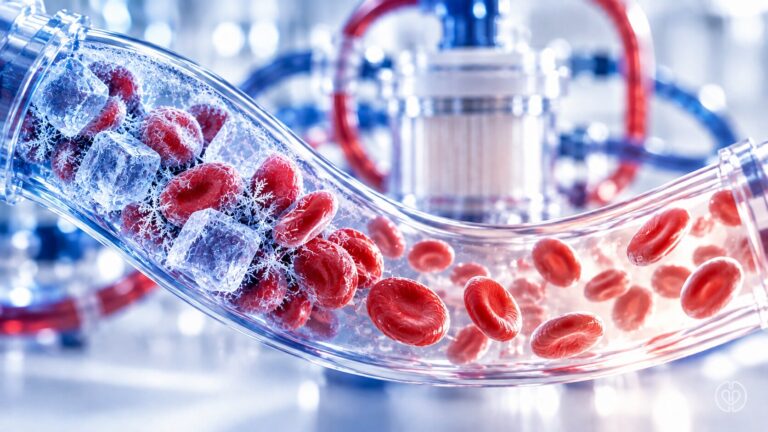
A case report of temperature-dependent red-cell clumping during valve surgery highlights cold-agglutinin recognition, changes to bypass and cardioplegia, and the limits of single-patient evidence.

A randomized trial of 30 residents found no significant difference in simulated VA-ECMO cannulation time or overall procedural quality after a procedural workshop versus
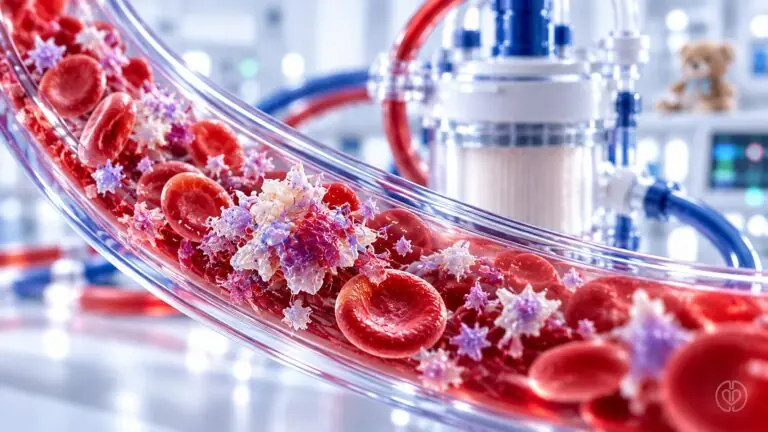
The ECSTATIC feasibility trial compared platelet transfusion triggers of 50 and 90 × 10⁹/L in 50 children on ECMO, supporting a larger definitive trial.

A 57-patient study compares Impella and selective biatrial drainage during VA-ECMO, with differences in bleeding and transfusion but no established survival benefit.

A 166-patient study links preoperative platelet-to-lymphocyte ratio with prolonged inotropic support after minimally invasive cardiac surgery. Predictive performance was modest.

A study combines clinical prediction models with experimental evidence linking lactate metabolism and kidney injury after CPB. Clinical treatment benefit remains unproven.

A 76-neonate randomized trial compared initial heparin doses during CPB. Higher initial dosing improved ACT response and a thrombin-generation marker, but clinical benefit and
IPA COMMUNITY POLL
Loading poll…