Topical Tranexamic Acid Mist in CABG: Bleeding and Transfusion Outcomes
A 60-patient randomized trial found less drainage and fewer red-cell transfusions with topical TXA mist after on-pump CABG, with important safety and reporting limits.
A 60-patient randomized trial found less drainage and fewer red-cell transfusions with topical TXA mist after on-pump CABG, with important safety and reporting limits.
A systematic review of 31 studies examines cell and extracellular-vesicle therapies during organ perfusion, highlighting the gap between biomarkers and transplant function.
A retrospective redo aortic surgery study compares aortic and innominate CPB inflow, with similar observed outcomes and important limits on equivalence claims.
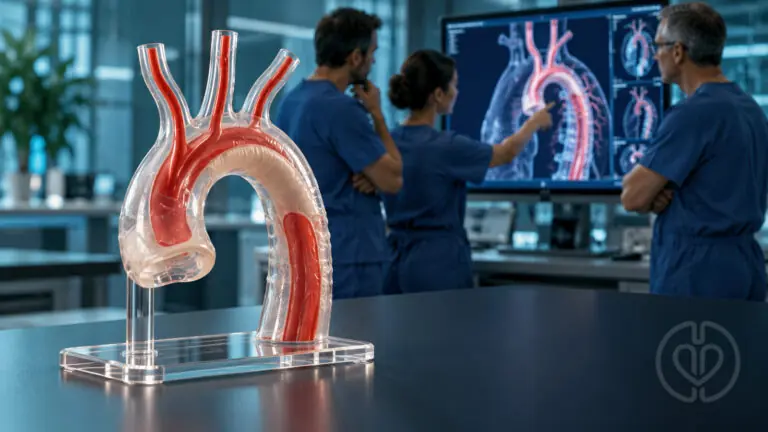
The AHA statement connects surgical, anesthesia, and perfusion decisions during aortic repair, cerebral protection, circulatory arrest, and distal perfusion.
A small CABG cohort found similar early recovery after prior asymptomatic COVID-19 but more postoperative complications, with important limits on timing conclusions.
An expert commentary explains the 2026 AATS approach to HIT testing, anticoagulation, and extracorporeal support after cardiac surgery.
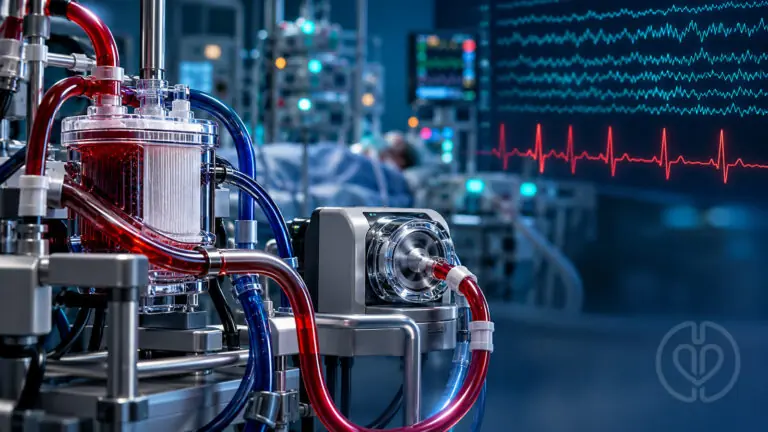
A case report describes VA-ECMO and Impella support after suspected medication-related cardiac arrest during treatment for neurosyphilis-associated super-refractory status epilepticus. Combined circulatory support and

A prospective study of 94 CABG patients linked coronary sinus lactate above 3 mmol/L five minutes after reperfusion with more treated postoperative atrial fibrillation.

In 691 aortic surgery patients, post-bypass blood pressure and shock indices tracked 30-day mortality; exploratory thresholds require external validation.
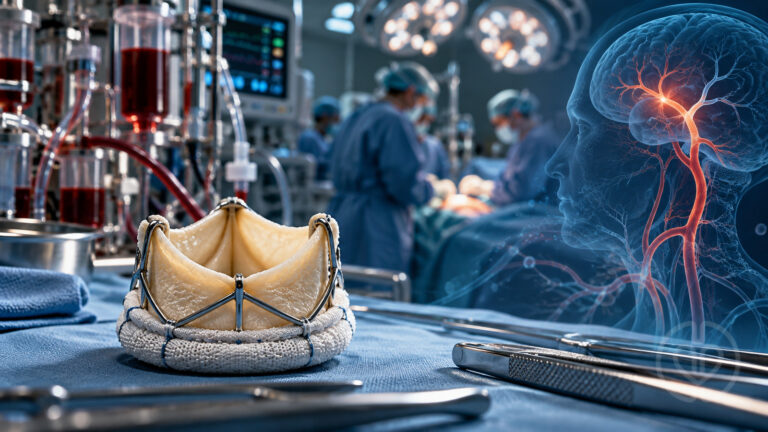
A 155-pair study links miniAVR with fewer stroke/TIA events, but rare outcomes, residual confounding, and unequal follow-up limit causal conclusions.

A 76-patient randomized CABG trial links cuff deflation during bypass to smaller ultrasound airway changes, while clinical benefits and aspiration safety remain uncertain.

A systematic review of 11 randomized trials found no overall survival or neurologic benefit from early cooling after cardiac arrest. Actual target achievement was
IPA COMMUNITY POLL
Loading poll…