
Pediatric ECMO Nursing: Knowledge, Autonomy, and Perfusion Teamwork
A survey of 83 pediatric ECMO nurses examines how perceived knowledge, autonomy, and teamwork relate to reported care activities—and what perfusion teams can learn.

A survey of 83 pediatric ECMO nurses examines how perceived knowledge, autonomy, and teamwork relate to reported care activities—and what perfusion teams can learn.

A randomized trial of 30 residents found no significant difference in simulated VA-ECMO cannulation time or overall procedural quality after a procedural workshop versus
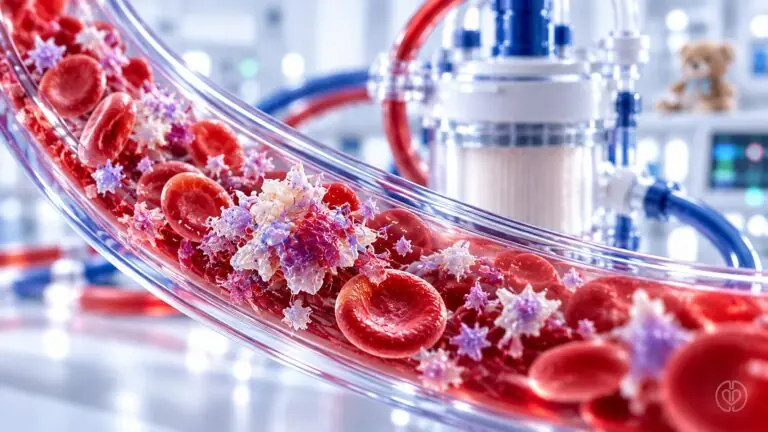
The ECSTATIC feasibility trial compared platelet transfusion triggers of 50 and 90 × 10⁹/L in 50 children on ECMO, supporting a larger definitive trial.
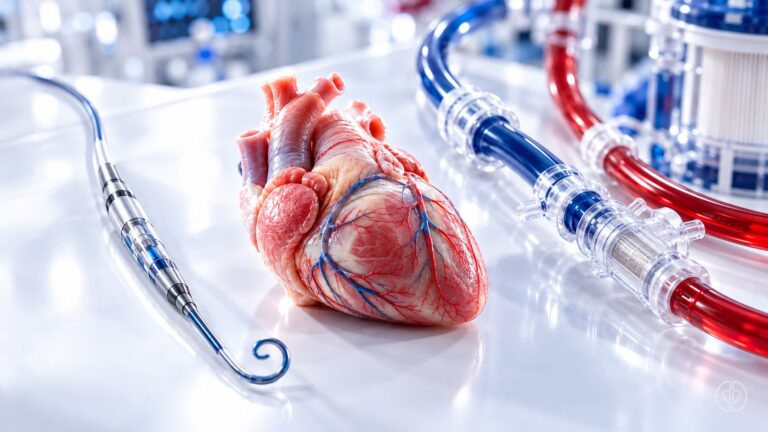
A 57-patient study compares Impella and selective biatrial drainage during VA-ECMO, with differences in bleeding and transfusion but no established survival benefit.
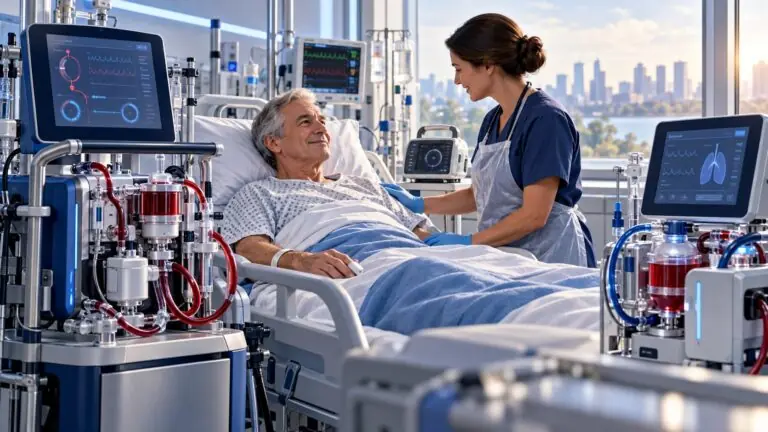
A Vanderbilt case report describes parallel VV–VA ECMO with axillary Impella 5.5 as a bridge to heart–lung transplantation in a 65-year-old man with severe
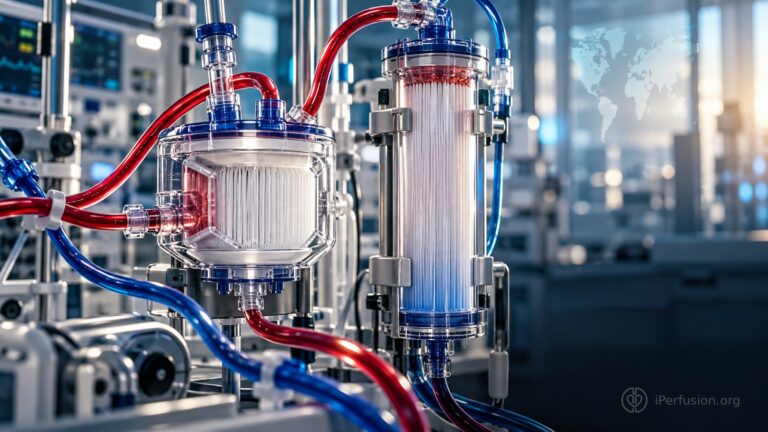
A scoping review maps 20 comparative studies of ECMO–RRT configurations. Findings on filter life, pressure alarms, and delivered therapy remain heterogeneous, with no consistently

An INCEPTION trial-based model projected ECPR costs and quality-adjusted survival over 20 years. The reported ICER was €242,122 per QALY, with a 46% probability

The ELIEO multicenter trial will randomize 508 adults with severe ARDS to early vvECMO or conventional care with rescue ECMO. This 2026 paper reports
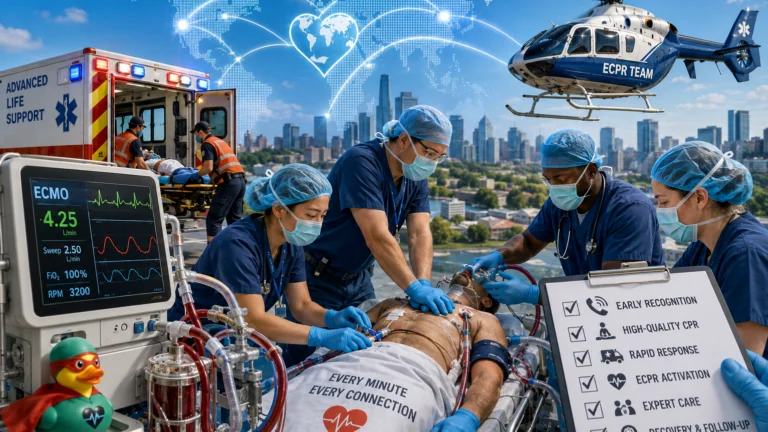
Extracorporeal cardiopulmonary resuscitation (ECPR) can achieve survival approaching 30% for selected patients with refractory out-of-hospital cardiac arrest, but success depends on the entire system

This guideline article argues that extracorporeal life support device testing should follow standardized in-vitro protocols so results can be reproduced, compared across research groups,

This qualitative study explores how clinicians determine candidacy for venovenous ECMO in severe respiratory failure. Interviews with 24 clinicians across 9 countries revealed that

This international survey evaluates anticoagulation strategies in ECMO patients across 17 countries. Findings show unfractionated heparin remains the primary anticoagulant, while bivalirudin use is