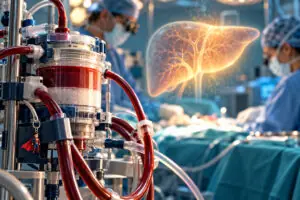
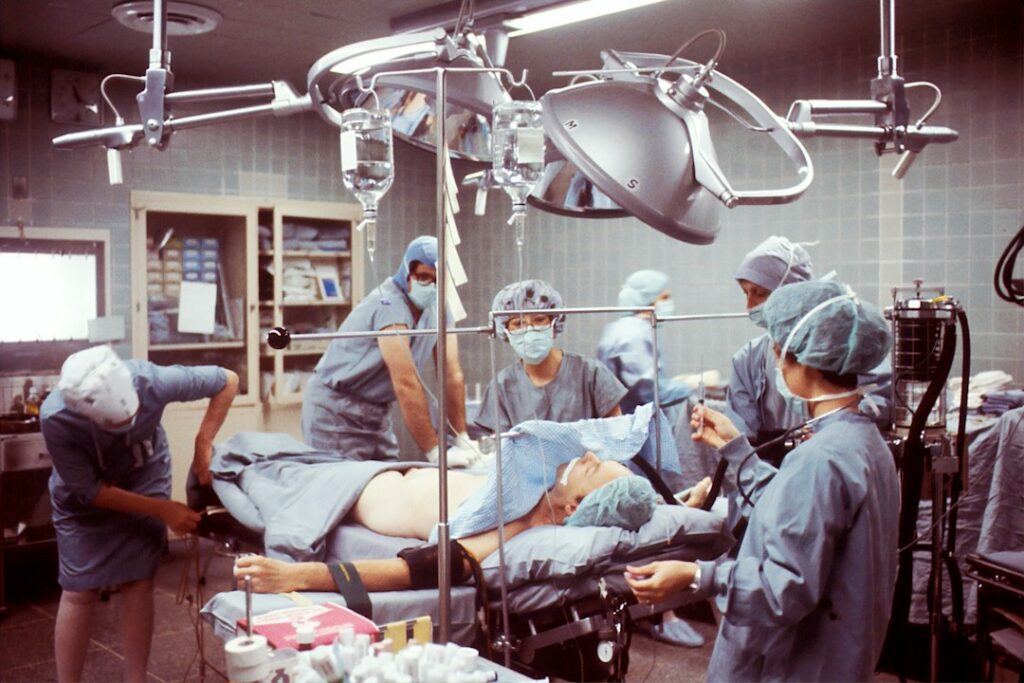
A randomized clinical trial of 60 adults undergoing valvular heart surgery found that adding adenosine to controlled warm-blood aortic root reperfusion did not improve measured myocardial protection or recovery. Instead, patients receiving adenosine experienced more intraoperative rhythm interventions than patients receiving warm blood alone. The findings are relevant to perfusion teams considering terminal reperfusion additives, but the small trial does not establish that adenosine is harmful in every setting.
Why study adenosine at aortic declamping?
Myocardial ischemia and reperfusion can produce ventricular dysfunction, biomarker release and arrhythmias despite cardioplegic protection. Terminal warm-blood reperfusion, sometimes described as a “hot shot,” is intended to wash out metabolites and support the myocardium before restoring unrestricted coronary flow. Adenosine has plausible cardioprotective and electrophysiological effects, but whether adding it during this specific reperfusion interval improves outcomes remains uncertain.
Trial design and perfusion protocol
Investigators randomized 60 adults undergoing valve repair or replacement into two groups of 30. Both groups received del Nido cardioplegia, mild hypothermia and alpha-stat management. Immediately before aortic cross-clamp removal, the intervention group received warm-blood aortic root reperfusion containing adenosine at 150 micrograms/kg; the control group received the same warm-blood reperfusion without adenosine. The reported intervention delivery used the cardioplegia line and a roller pump at 200–250 mL/min, with pressure maintained at 80–100 mmHg. These are study-specific parameters, not a recommendation to adopt the protocol.
More electrical cardioversion or defibrillation
The clearest between-group difference was the use of cardiac electrical shocks: 13 of 30 patients (43.3%) in the adenosine group versus 2 of 30 (6.7%) in the control group (P = 0.001). Intraoperative antiarrhythmic medication was also more frequent with adenosine: 14 of 30 versus 5 of 30 (P = 0.024). The distribution of rhythms at resumption differed between groups (P = 0.012), including ventricular fibrillation in five adenosine recipients and none of the controls. The study does not establish the biological mechanism behind these observations.
No demonstrated benefit in recovery measures
Mean cardiopulmonary bypass time was 80.87 versus 74.90 minutes (P = 0.27), and aortic cross-clamp time was 53.40 versus 50.63 minutes (P = 0.55), for adenosine and control groups respectively. Time to rhythm resumption was similar (2.94 versus 3.19 minutes; P = 0.59). The authors also found no statistically significant differences in ejection fraction, inotrope use, mechanical ventilation duration, troponin, CK-MB or other first-day ICU laboratory markers. A nonsignificant result should not be interpreted as proof of equivalent outcomes.
Interpretation and limitations
The findings favor standard warm-blood aortic root reperfusion over the tested adenosine-enriched approach for the rhythm-related outcomes observed in this cohort. Nevertheless, only 30 patients were enrolled per group, and the authors acknowledge the absence of a formal power analysis. The study involved selected adults undergoing valve surgery and does not directly address coronary bypass operations, pediatric patients or alternative adenosine doses and timing. Some tabulated percentages and timing units are inconsistent in the published report, warranting care when interpreting secondary measures.
What perfusionists should take away
Adding adenosine during terminal warm-blood aortic root reperfusion should not be assumed to provide extra myocardial protection. In this small randomized trial it was associated with substantially more intraoperative electrical shocks and antiarrhythmic treatment, without a demonstrated improvement in cardiac enzymes or recovery. Larger, carefully designed trials are needed before generalizing the result or changing institutional myocardial-protection protocols.
Keywords: Adenosine, Aortic Root Reperfusion, Terminal Warm-Blood Reperfusion, Cardioplegia, Cardiopulmonary Bypass, Valve Surgery, Myocardial Protection, Arrhythmia.
Source: Jalili Shahandashti F, Kachoueian N, Fattahi M, et al. Journal of ExtraCorporeal Technology. 2026;58:217–222. https://doi.org/10.1051/ject/2026006. Open access under CC BY 4.0.