
Triple Transplant Breakthrough

Heart-Liver-Kidney Transplantation for AL Amyloidosis Using Normothermic Recovery and Storage From a Donor Following Circulatory Death: Short-Term Outcome in a First-in-World Experience

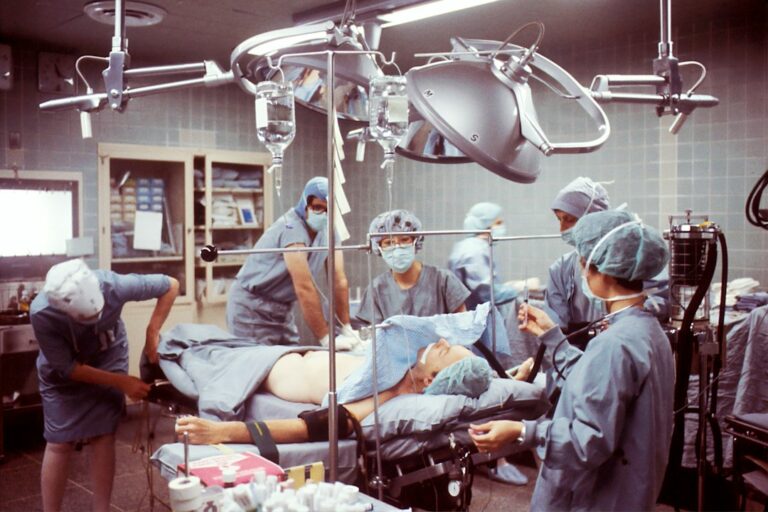
This case report describes the first known heart-liver-kidney transplant for AL amyloidosis using organs recovered from a donation-after-circulatory-death donor with thoracoabdominal normothermic regional perfusion. A 40-year-old man with terminal multiorgan AL amyloidosis underwent sequential heart, liver, and kidney transplantation and remained free of graft dysfunction or rejection at 8 months, highlighting a new path to expand complex transplant access. 

Read More »
Kidney on Call

Incidence, Risk Factors and Outcomes of Postoperative Acute Kidney Injury Requiring Dialysis After Cardiac Surgery: A Retrospective Study from the National Heart Institute of Malaysia

This retrospective Malaysian cohort study examined 6,779 adult cardiac surgery patients and found that 4.5% developed postoperative acute kidney injury requiring dialysis. Risk was higher in patients with chronic kidney disease, urgent surgery, diabetes, reoperation, and longer ICU stay. Dialysis-requiring AKI was linked to sharply increased mortality, especially among patients without baseline CKD, highlighting the need for earlier renal risk stratification and kidney-protective perioperative care.

Read More »
The Combined Use of HA380 Hemoperfusion

The Combined Use of HA380 Hemoperfusion in Cardiopulmonary Bypass Alleviates Postoperative Inflammatory Response and Organ Dysfunction Following Cardiac Surgery

This randomized single-center trial evaluated 65 patients undergoing elective cardiac surgery with cardiopulmonary bypass and found that adding the HA380 hemoperfusion cartridge reduced early postoperative inflammatory cytokines, including IL-1β, IL-6, IL-8, and IL-10. The HA380 group also had lower vasoactive-inotropic requirements and better short-term liver and kidney laboratory markers, although ICU ventilation time and ICU stay were not significantly improved. 

Read More »
Ranolazine and Cardioprotection During Myocardial Ischemia

Cardioprotective Effects of Ranolazine in Myocardial Infarction Mediated by Stimulation of the Endogenous Mediators Involved in Ischemic Preconditioning

This experimental rat-heart study tested whether ranolazine protects the myocardium through pathways similar to ischemic preconditioning. Using a Langendorff ischemia-reperfusion model, ranolazine reduced infarct size, LDH, CK-MB, troponin I, and improved ventricular function. These benefits were lost when nitric oxide, adenosine, bradykinin, or ATP-sensitive potassium channel pathways were blocked, supporting their role in ranolazine-mediated cardioprotection.

Read More »
Protecting Red Blood Cells During Liver Machine Perfusion

Reduction in Red Blood Cell Lysis by Polymer Intervention During Rodent Liver Normothermic Machine Perfusion

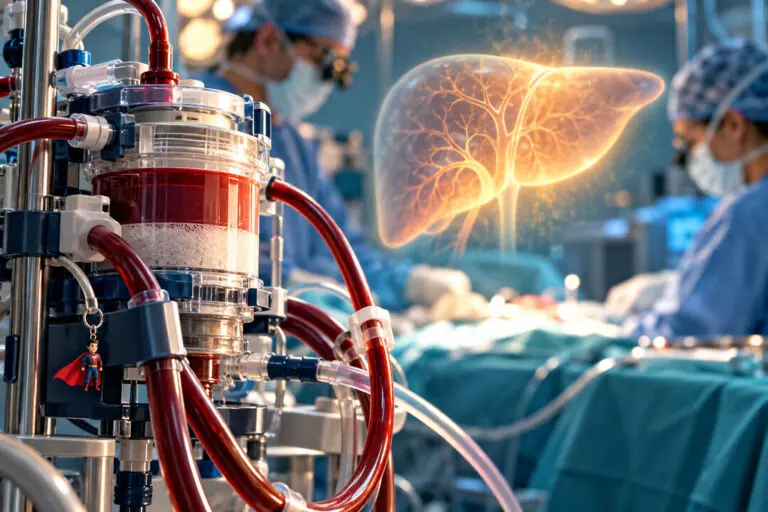
This preclinical rodent liver study tested whether Poloxamer 188 and Ficoll PM70 could reduce red blood cell hemolysis during normothermic machine perfusion. Both polymers lowered free hemoglobin and improved preservation of liver sinusoidal endothelial cells in donation after brain death and warm ischemia models. However, they did not significantly improve major perfusion metrics, and P188 showed a possible proinflammatory cytokine signal that warrants further study.

Read More »
AI-Driven Kidney Risk Prediction During Cardiac Surgery

Predicting Kidney Injury After Cardiac Surgery With Cardiopulmonary Bypass Using Machine Learning

This study evaluates a machine learning (ML) model using electronic health record (EHR) data to predict acute kidney injury (AKI) after cardiac surgery. In 130 patients, the AI achieved strong predictive performance (AUROC 0.79 for AKI, 0.83 for 30-day kidney disease). The model enables early, automated risk stratification, offering a practical tool for proactive perioperative management and improved patient outcomes.

Read More »
Global Cardiac Surgery Team Comparing HES vs Albumin

Comparison of 6% Hydroxyethyl Starch 130/0.4 vs 5% Albumin in Cardiopulmonary Bypass for Cardiac Surgery

This meta-analysis of 12 studies (908 patients) compares 6% hydroxyethyl starch (HES 130/0.4) and 5% albumin in cardiac surgery with cardiopulmonary bypass. Results show no significant differences in blood loss, transfusion needs, ICU stay, or mortality. However, HES is associated with a significantly higher risk of acute kidney injury, raising concerns about its renal safety despite similar overall efficacy.

Read More »
Normothermic Regional Perfusion, Organ Transplantation, Donation After Circulatory Death, Bibliometric Analysis, Graft Survival, Ischemia Reperfusion Injury, Heart Transplantation, Liver Transplantation, Kidney Transplantation, Transplant Outcomes

Normothermic Regional Perfusion in Organ Transplantation: Trends, Key Topics, and Evolving Research Focus

This bibliometric analysis reviews 372 studies on normothermic regional perfusion (NRP) from 2014–2025, showing rapid growth in research and global adoption. The United States led in publications, while the United Kingdom led in citations. Research focus has shifted from kidney and liver complications to heart transplantation and outcomes, highlighting NRP’s expanding role in improving graft viability and transplant success.

Read More »
Monitoring Venous Pressure After Cardiac Surgery: Protecting Kidney Function

Exploring the Role of Central Venous Pressure in Cardiac Surgery-Associated Acute Kidney Injury: A Comprehensive Scoping Review

This scoping review evaluates the association between central venous pressure (CVP) and acute kidney injury (AKI) following cardiac surgery, particularly CABG. Across 16 studies, elevated CVP consistently correlated with higher AKI risk, especially when combined with low mean arterial pressure. However, variability in CVP thresholds and study designs limits clinical standardization. The findings highlight CVP as a potential perioperative marker requiring further validation.

Read More »
Gradual vs Rapid Cardiopulmonary Bypass Initiation During Cardiac Surgery

A Comparative Study of the Effect of Slow and Rapid Initiation of Cardiopulmonary Pump on Tissue Oxygenation Index and Ischemic Complications

This randomized, double-blind study compared rapid (30-second) versus slow (180-second) initiation of cardiopulmonary bypass (CPB) during coronary artery bypass surgery. Researchers evaluated cerebral tissue oxygenation, arterial oxygen pressure, hematocrit changes, and postoperative delirium. While tissue oxygenation and hematocrit showed no significant differences, the rapid initiation group had lower arterial oxygen levels and a trend toward higher postoperative delirium rates.

Read More »