
Coronary Sinus Lactate at Reperfusion: Predicting Atrial Fibrillation After CABG
A prospective study of 94 CABG patients linked coronary sinus lactate above 3 mmol/L five minutes after reperfusion with more treated postoperative atrial fibrillation.

A prospective study of 94 CABG patients linked coronary sinus lactate above 3 mmol/L five minutes after reperfusion with more treated postoperative atrial fibrillation.
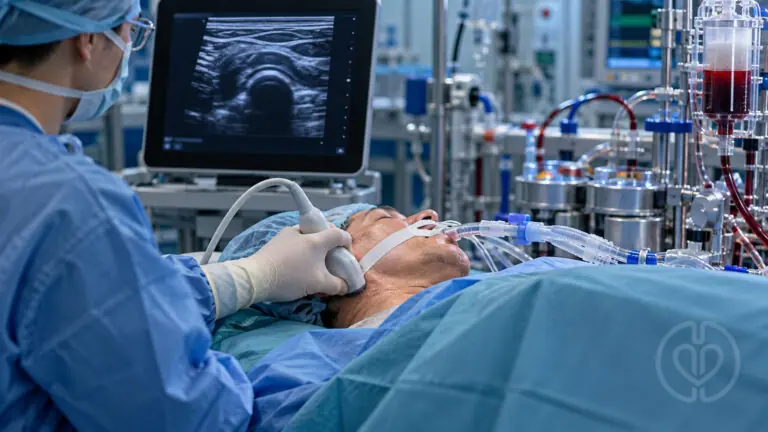
A 76-patient randomized CABG trial links cuff deflation during bypass to smaller ultrasound airway changes, while clinical benefits and aspiration safety remain uncertain.

A 76-neonate randomized trial compared initial heparin doses during CPB. Higher initial dosing improved ACT response and a thrombin-generation marker, but clinical benefit and

A randomized trial in Nepal compared pulsatile and non-pulsatile cardiopulmonary bypass in elective atrial septal defect closure and mitral valve replacement. Among 77 analyzed
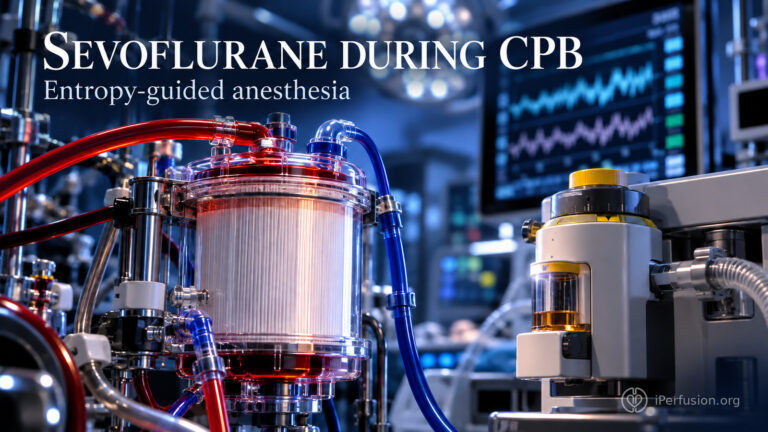
A 74-patient randomized trial linked entropy-guided sevoflurane during CPB to higher anesthetic concentrations and greater vasoactive support, without significant differences in ventilation duration or

WEANILEVO randomized 80 adults ready for VA-ECMO weaning to levosimendan or placebo. Weaning failure occurred in 25% of both groups. Levosimendan was associated with
A four-center randomized trial compared activated clotting time targets of at least 400 and 480 seconds in 1,021 adults undergoing first-time cardiac surgery with
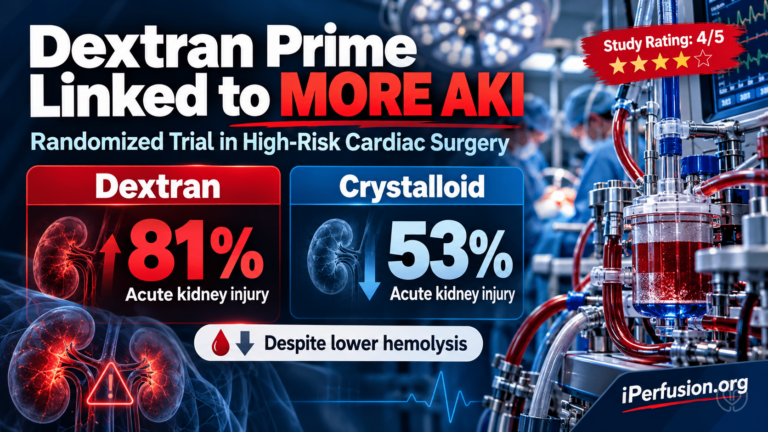
A double-blinded multicenter trial found significantly more acute kidney injury with dextran versus crystalloid priming during cardiopulmonary bypass (81% vs 53%), despite reduced hemolysis.

In a randomized trial of 60 adults undergoing CABG for left main coronary artery disease, combined antegrade–retrograde blood cardioplegia did not significantly reduce peak

The ULTRA randomized controlled trial evaluated whether high-exchange subzero-balance ultrafiltration (H-SBUF) during pediatric cardiopulmonary bypass improves recovery compared with low-exchange SBUF. Among 104 randomized
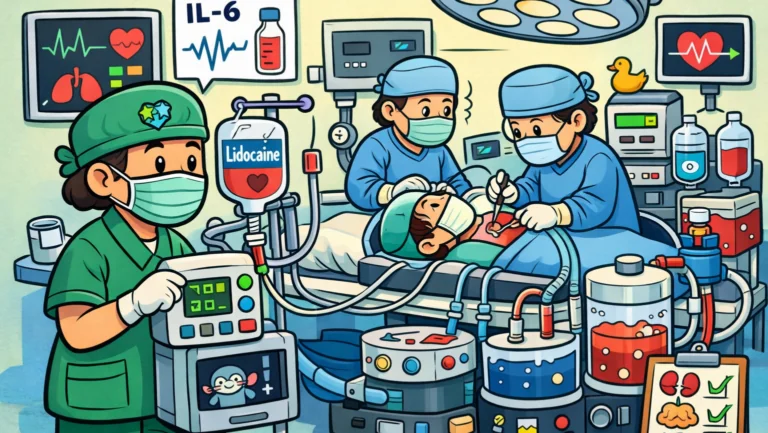
This single-center, double-blind randomized clinical trial (LEONARD Trial) evaluates whether intravenous lidocaine reduces systemic inflammation triggered by cardiopulmonary bypass in elective valvular and/or coronary

This single-center randomized controlled trial evaluated whether adding zero-balance ultrafiltration (Z-BUF) to conventional ultrafiltration during cardiopulmonary bypass reduces postoperative delirium after cardiac surgery. Among