
Neonatal CPB Anticoagulation: Initial Heparin Dose in a Randomized Trial
A 76-neonate randomized trial compared initial heparin doses during CPB. Higher initial dosing improved ACT response and a thrombin-generation marker, but clinical benefit and

A 76-neonate randomized trial compared initial heparin doses during CPB. Higher initial dosing improved ACT response and a thrombin-generation marker, but clinical benefit and

A 100-patient randomized CABG trial reported lower bleeding and transfusion exposure with ACT-guided heparin and protamine dosing. Small size, no prospective registration and dosing-table

A four-center randomized trial compared activated clotting time targets of at least 400 and 480 seconds in 1,021 adults undergoing first-time cardiac surgery with

This international survey evaluates anticoagulation strategies in ECMO patients across 17 countries. Findings show unfractionated heparin remains the primary anticoagulant, while bivalirudin use is

This pilot randomized controlled trial compared bivalirudin and unfractionated heparin for anticoagulation in 30 pediatric ECMO patients. No difference was found in time at

This study compared two protamine dosing strategies for heparin reversal after cardiopulmonary bypass: a fixed 250-mg dose versus a 1:1 (1 mg:100 U heparin)

This case report discusses a pediatric patient with heparin-induced DRESS Syndrome managed successfully during cardiovascular bypass surgery. An 11-year-old with native aortic valve endocarditis

This systematic review and meta-analysis evaluated the efficacy and safety of bivalirudin compared to heparin in patients undergoing extracorporeal membrane oxygenation (ECMO). After reviewing

Ensuring sufficient anticoagulation in cardiac surgery and cardiopulmonary bypass is crucial for preventing adverse outcomes. This review evaluates various definitions of heparin resistance in

The study investigated reducing the protamine-to-heparin ratio (P-to-H) from 1:1 to 0.9:1 and 0.8:1 in cardiac surgery patients to determine its effect on post-operative
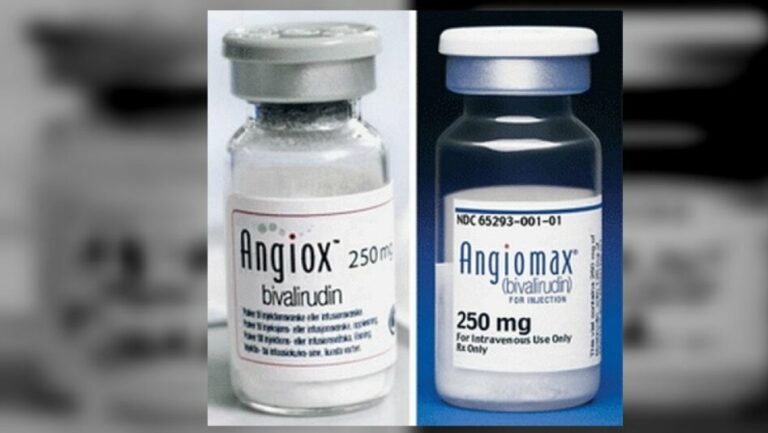
Bivalirudin is an alternative anticoagulant mainly used for percutaneous coronary interventions. Given the challenges associated with heparin anticoagulation, we conducted a review to explore

This study confirms the promising characteristics of HBP as a biomarker for identification of postoperative sepsis, especially after routine procedures. Further studies are required