
Pulmonary Artery Systolic Pressure Associated with Inflammatory Factors Among Pediatric Congenital Heart Disease with Pulmonary Arterial Hypertension After Cardiopulmonary Bypass

Pulmonary Artery Systolic Pressure Associated with Inflammatory Factors Among Pediatric Congenital Heart Disease with Pulmonary Arterial Hypertension After Cardiopulmonary Bypass

This study investigates the relationship between pulmonary artery systolic pressure (PASP) and inflammatory factors in pediatric congenital heart disease (CHD) patients with pulmonary arterial hypertension (PAH) after cardiopulmonary bypass (CPB). The study found that elevated preoperative PASP correlates with increased postoperative inflammatory cytokines, particularly IL-6 and IL-10. Higher PASP (>52 mmHg) predicted prolonged ventilation time (>21 hours), suggesting worsened postoperative outcomes.

Read More »
Nitric Oxide

Neurodevelopmental Outcomes After Nitric Oxide During Cardiopulmonary Bypass for Open Heart Surgery: A Randomized Clinical Trial

This randomized clinical trial examined whether nitric oxide (NO) administered during cardiopulmonary bypass (CPB) improves neurodevelopmental and health-related quality of life (HRQOL) outcomes in infants undergoing open heart surgery. Conducted across six centers, the study followed 927 infants at 12 months post-surgery. Results showed no significant differences in neurodevelopment or HRQOL between the NO and standard CPB groups, suggesting NO does not enhance long-term neurological outcomes.

Read More »
TOF Repair

Comparison of Immediate Outcomes of Pulmonary Valve-Sparing and Transannular Patch Techniques for Correction of Tetralogy of Fallot

This retrospective cohort study compared pulmonary valve-sparing and transannular patch techniques for correcting Tetralogy of Fallot (ToF) in 102 pediatric patients. The study found that the valve-sparing approach led to shorter durations of mechanical ventilation, ICU stays, and hospitalization, with fewer complications like arrhythmias. However, transannular patch patients had higher rates of severe pulmonary regurgitation. Weight was identified as an independent predictor of ventilation duration.

Read More »
Ped CV Volume

Center Volume and Survival in Inter-Hospital Transfers for Pediatric Cardiac Surgery: No Significant Association

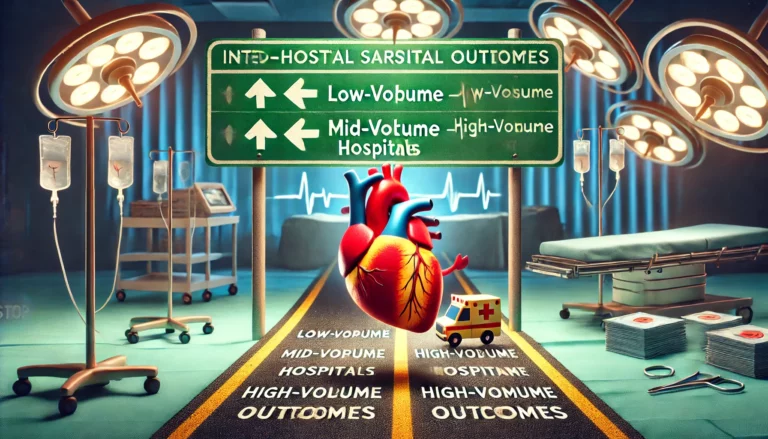
This study analyzed 25,749 pediatric cardiac surgery cases requiring cardiopulmonary bypass (CPB) using the Kids’ Inpatient Database (2016 and 2019) to evaluate whether hospital case volume impacts inpatient mortality for transferred patients. Among 3,511 transferred patients, unadjusted mortality was higher than for direct admissions across low-, mid-, and high-volume centers. However, risk-adjusted inpatient mortality showed no significant differences based on hospital volume, even for high-complexity cases. The findings suggest that transfer decisions should not rely solely on annual case volume.

Read More »
Pediatic Cardioplegia

Hyperlactataemia Following Crystalloid Cardiopulmonary Bypass Priming in Paediatric Cardiac Surgery: Benign or Malignant?

This retrospective study examined paediatric patients undergoing cardiac surgery with crystalloid priming to evaluate outcomes related to postoperative hyperlactataemia. Among 186 patients, 53% experienced hyperlactataemia, which was associated with longer cardiopulmonary bypass and ICU stays but did not increase ventilation duration. Findings suggest transient hyperlactataemia may not indicate tissue hypoxaemia, but longer inotropic support and ICU stays necessitate careful management post-surgery.

Read More »
Pediatric ECMO

Outcomes in Patients Who Received ECMO and/or Volatile Anesthetics as Rescue Therapies for Status Asthmaticus

This study explores the outcomes of pediatric patients with status asthmaticus (SA) who received either inhaled volatile anesthetics (IVA), extracorporeal membrane oxygenation (ECMO), or both as rescue therapies in a PICU setting. Among seven patients, most who received IVA were escalated to ECMO. The results suggest that early ECMO cannulation might be beneficial, though larger studies are needed to form conclusive guidelines for SA management in critically ill children.

Read More »
Factor VII

Cardiopulmonary Bypass in a Pediatric Patient with Factor XII Deficiency

This case report discusses the challenges of managing cardiopulmonary bypass (CPB) in an 8-month-old pediatric patient with factor XII deficiency, a rare coagulopathy that complicates anticoagulation monitoring. The use of the Hemochron Signature Elite with ACT+ cartridges provided reliable anticoagulation monitoring during surgery. The report reviews current strategies for managing CPB in patients with this condition, highlighting the importance of specialized tools for predictable results.

Read More »
Pedi Kidney

Association of Hyperoxia During Cardiopulmonary Bypass and Postoperative Delirium in the Pediatric Cardiac ICU

This study examines the relationship between hyperoxia during cardiopulmonary bypass (CPB) and postoperative delirium in pediatric patients in a cardiac ICU. Analyzing data from 148 patients, researchers found that 24% experienced delirium within 72 hours post-CPB. However, no significant association was found between hyperoxia and delirium. Exploratory analysis suggested that nutritional status, specifically weight z scores, might influence delirium risk, indicating a need for further research on risk factors.

Read More »
ECMO Pressure Monitoring

Quantifying Potential Fluid Transfused Through Pressure Monitoring and Circuit Flushes in Pediatric ECMO Patients

This study investigates the fluid volume transfused to pediatric ECMO patients via pressure monitoring circuits, an area currently lacking published data or guidelines. Using in vitro experiments with Edwards True Wave transducers and pressure bags, the study measured fluid volumes from passive and active flushing methods. Results showed that maintaining patency with a pressurized IV bag can transfuse approximately 319.6 mL daily, close to a neonate’s total blood volume. Automated syringe pumps, however, significantly reduce this volume to 24 mL per day. The findings suggest the need for further research to establish best practices.

Read More »