CABG After Asymptomatic COVID-19: Early Recovery and Complication Risk
A small CABG cohort found similar early recovery after prior asymptomatic COVID-19 but more postoperative complications, with important limits on timing conclusions.

A small CABG cohort found similar early recovery after prior asymptomatic COVID-19 but more postoperative complications, with important limits on timing conclusions.

In a randomized trial of 60 adults undergoing CABG for left main coronary artery disease, combined antegrade–retrograde blood cardioplegia did not significantly reduce peak

This systematic review and Bayesian meta-analysis evaluated whether adding propofol to cardioplegic solution improves myocardial protection during cardiac surgery. Five randomized controlled trials involving

A study of 2,083 patients undergoing CABG found that 11.6% required prolonged mechanical ventilation for more than 48 hours. Researchers developed a simple preoperative

Researchers evaluated long-term outcomes after on-pump (ONCAB) and off-pump (OPCAB) coronary artery bypass grafting in 2,935 patients treated between 1999 and 2016. After propensity

This retrospective Malaysian cohort study examined 6,779 adult cardiac surgery patients and found that 4.5% developed postoperative acute kidney injury requiring dialysis. Risk was

This retrospective study compared normoxic and hyperoxic reperfusion strategies in 50 patients undergoing elective on-pump CABG. Although oxygen delivery was similar between groups, normoxic
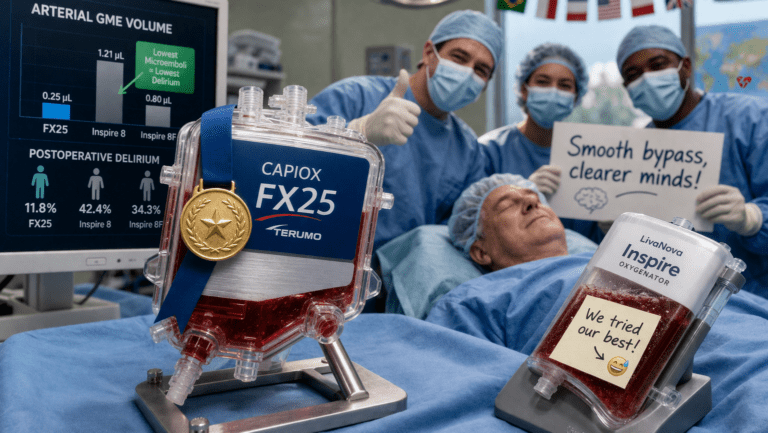
This prospective cohort study examined 102 adults undergoing first-time isolated on-pump CABG and compared three membrane oxygenators: Capiox FX25, Inspire 8, and Inspire 8F.

This retrospective two-center study compared long-term outcomes of minimally invasive direct coronary artery bypass (MIDCAB) with drug-eluting stent (DES) percutaneous coronary intervention for left
Acute kidney injury (AKI) is a serious complication after coronary artery bypass graft (CABG) surgery. This systematic review and meta-analysis analyzed 17 observational studies

This comprehensive review explores how cardioplegia actively protects the myocardium during coronary artery bypass grafting. Beyond inducing cardiac arrest, cardioplegic solutions modulate calcium homeostasis,
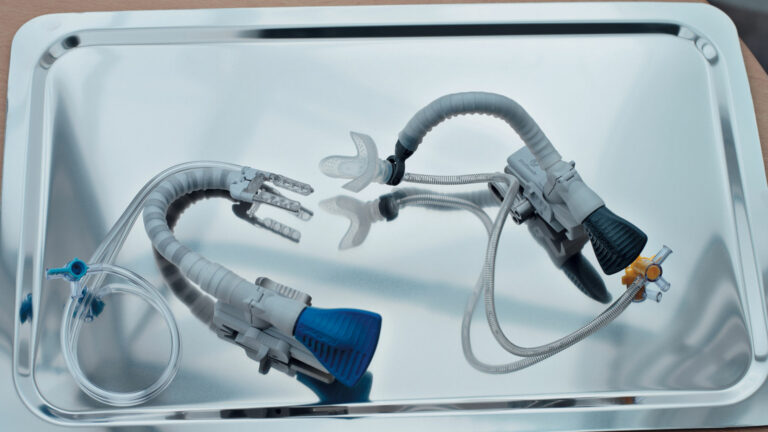
This study compared minimally invasive coronary surgery (MICS-CABG) to traditional sternotomy-based CABG in patients with multivessel coronary artery disease. Analyzing matched cohorts of 244